Hydration and Bodily Function

Understanding water's critical role in health and how to meet individual hydration needs.

Water in the Body

Water comprises approximately 60% of body weight and is essential for nearly every biological process. Every cell, tissue, and organ depends on water to function. Unlike nutrients stored as fat or glycogen, your body has limited water reserves, making regular intake crucial.

Water's importance extends beyond hydration—it is involved in metabolism, temperature regulation, nutrient transport, and waste elimination. Even small reductions in hydration status can impair physical and cognitive function.
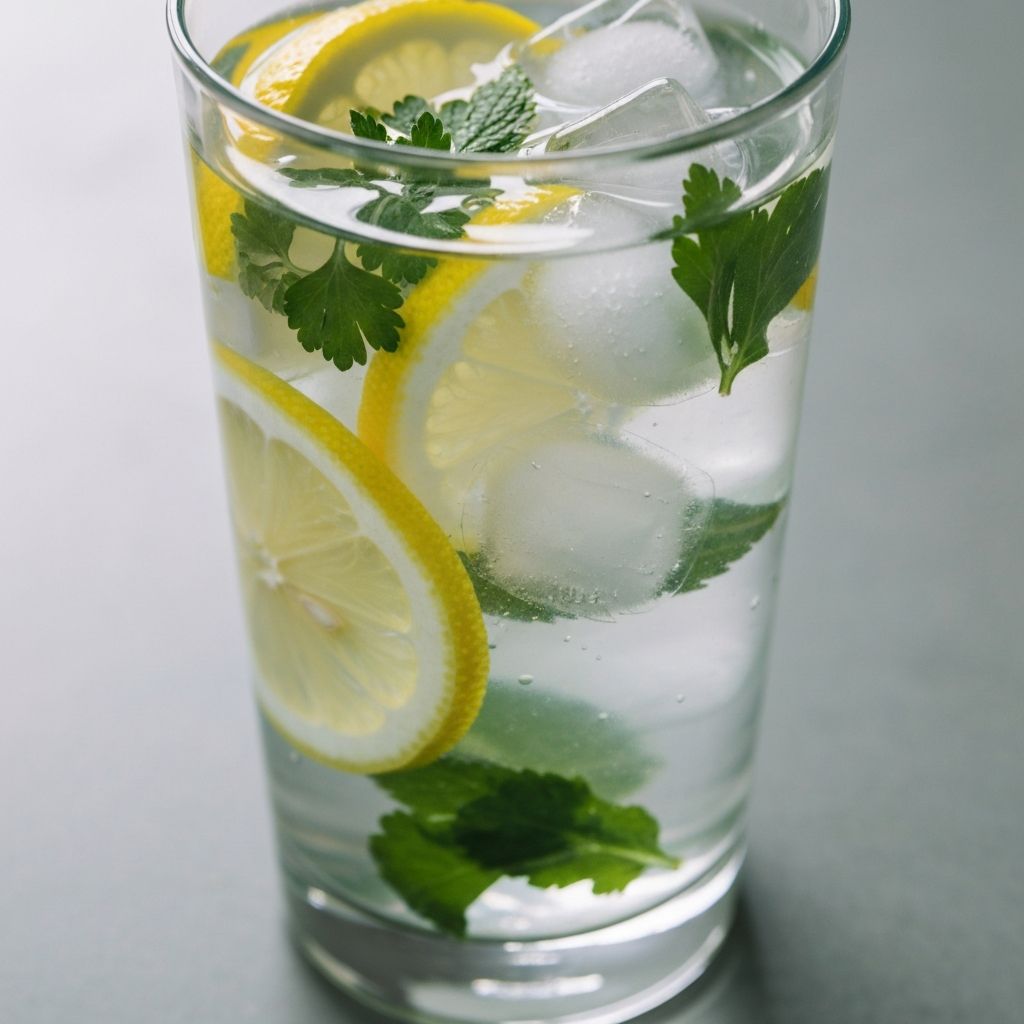
Water hydration and wellness

Functions of Water in the Body

Temperature Regulation

Sweating—water evaporating from skin—is your body's primary cooling mechanism. During exercise or heat exposure, water loss increases. Adequate hydration enables this cooling system to function effectively.

Nutrient Transport

Water-soluble vitamins and minerals are transported through the bloodstream to cells. Fat-soluble nutrients require water as part of the digestive and absorption process. Adequate hydration ensures efficient nutrient delivery.

Oxygen Transport

Oxygen is transported through blood to tissues. Blood volume and viscosity depend on adequate hydration. Dehydration reduces oxygen delivery to cells.

Waste Elimination

Kidneys filter metabolic waste products through urine, a water-based process. Adequate hydration supports efficient kidney function and waste removal.

Digestion and Absorption

Digestive enzymes function in an aqueous environment. Water is essential for breaking down food and absorbing nutrients. Adequate hydration supports digestive efficiency.

Joint and Tissue Health

Water maintains synovial fluid in joints, supporting movement and reducing friction. It maintains skin elasticity and supports tissue structure and function.

Factors Affecting Hydration Needs

Activity Level

Physical activity increases water loss through sweating and increased respiration. Individuals exercising regularly require more fluid than sedentary individuals. Intensity and duration of activity determine water needs.

Climate and Environment

Hot environments increase sweating and water loss. Cold environments also increase water needs despite reduced sweating—cold air has lower humidity, increasing respiratory water loss. High altitude increases hydration needs as well.

Age

Older adults have a reduced thirst sensation and may not feel thirsty even when dehydrated. They are at higher risk for dehydration-related health issues. Younger individuals may not recognize thirst signals accurately either.

Health Status

Illness, fever, diarrhea, or vomiting increase water loss. Certain medications affect fluid balance. Diabetes, kidney disease, and other conditions influence hydration needs and requirements.

Pregnancy and Breastfeeding

Pregnant individuals need more fluid to support increased blood volume and amniotic fluid. Breastfeeding increases fluid requirements significantly.

Individual Variation

Genetics, metabolism, and individual sensitivity to dehydration create variation in needs. What constitutes adequate hydration differs among individuals.

Meeting Hydration Needs

General Recommendations

Various organizations recommend daily fluid intake of 8-15 cups (2-3.5 liters), with higher amounts for active individuals or those in hot environments. However, this is a starting point, not a universal requirement.

Individual Hydration Approach

Responsive hydration involves paying attention to thirst cues and monitoring hydration status through urine color. Pale urine typically indicates adequate hydration; dark urine suggests insufficient intake.

This approach is practical and more accurate than rigid guidelines: drink when thirsty, adjust intake based on activity level and environment, and monitor urine color as a practical indicator.

Fluid Sources

Water is the primary hydration source. Other beverages—milk, juice, tea, coffee—also contribute to fluid intake, though plain water should be the primary source. Whole foods—fruits, vegetables, soups—contain significant water and contribute to hydration.

Hydration During Activity

For activities lasting less than 60 minutes, water alone is usually sufficient. For longer durations, beverages containing electrolytes (particularly sodium) and carbohydrates may enhance performance and recovery. The type and amount depend on activity intensity and individual factors.

Dehydration and Over-Hydration

Dehydration

Even mild dehydration—1-2% body weight loss—impairs physical performance and cognitive function. Symptoms include thirst, fatigue, reduced concentration, and dizziness.

Causes: Inadequate fluid intake, excessive sweating, fever, or illness.

Prevention: Responsive hydration based on thirst and activity level.

Over-Hydration (Hyponatremia)

Consuming excessive water without adequate electrolytes can dilute blood sodium levels, causing nausea, confusion, and in severe cases, seizures or coma.

Causes: Extreme fluid intake, particularly during endurance events without electrolyte replacement.

Prevention: Drink to thirst; don't force excessive fluid intake. During extended activity, include beverages with electrolytes.

Practical Hydration Guidelines

Important Notice: This article provides educational information about hydration and bodily function. It is not medical advice. Individual hydration needs vary based on age, health status, activity level, climate, and other factors. If you have concerns about hydration or health-related symptoms, consult a qualified healthcare professional.